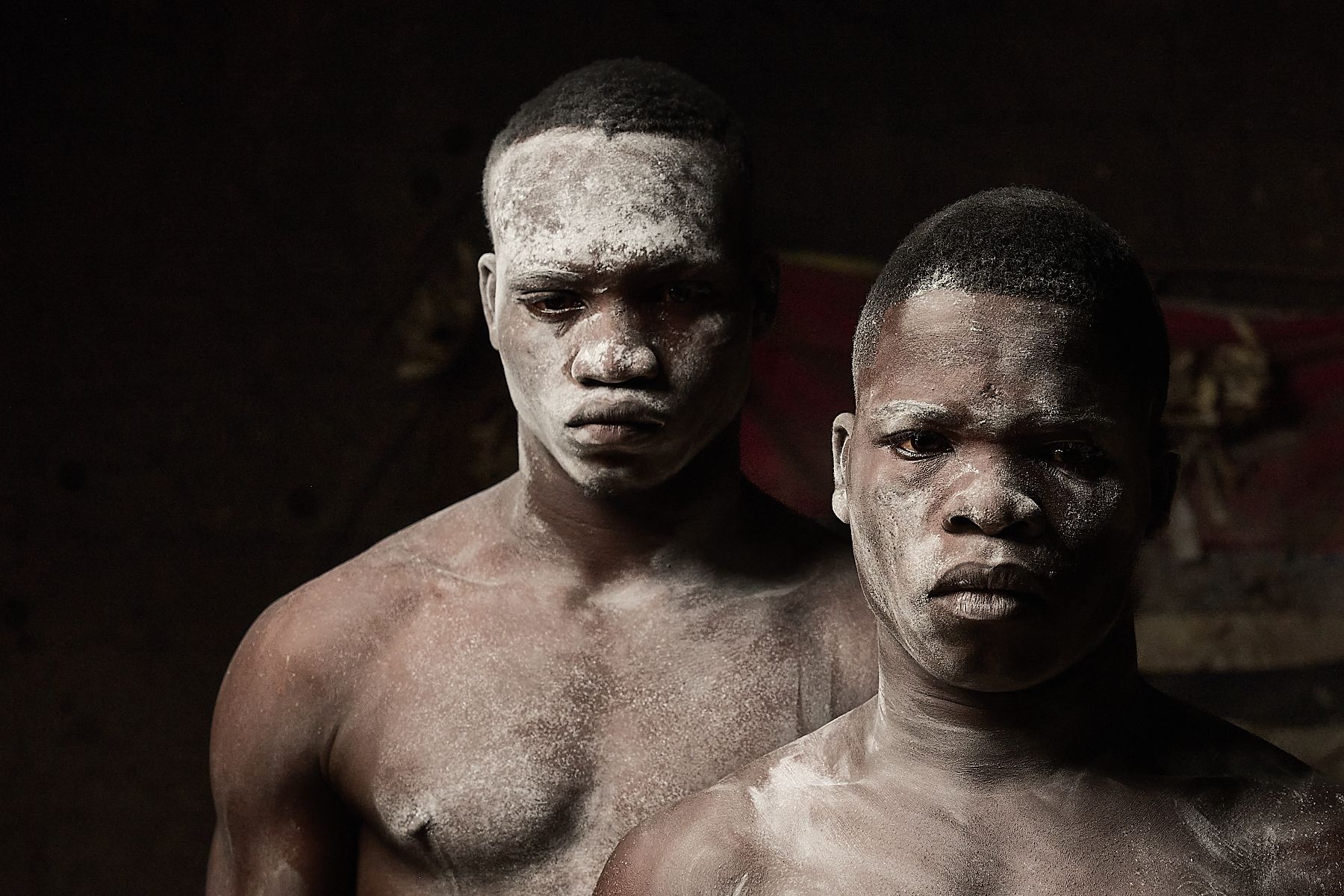
Heart of Voodoo through the Lens
Eight days in Benin with access to vodun ceremonies that are rarely open to visitors. A programme designed for professional photographers.
Overview
Benin is the cradle of vodun. Here it is not a curiosity for visitors: it is the religion of millions of people, with its priests, its convents of initiates, its sacred forests and its masks. This programme opens the doors to ceremonies that are almost never shown, and gives you the time to photograph them properly.
We designed it for professional and advanced photographers who want more than a trip: working closely with priests and adepts, preparing each day like an assignment, and coming home with images that cannot be made in passing. Access is possible because we know the priests and the communities personally, and because every ceremony is arranged and respected according to its protocol.
The programme has already run: the last edition took place from 27 July to 5 August 2024. Dates are set on request, for a group of six photographers.
Highlights
- Access to what is not shownShrines and temples that rarely open, with the permission of their priests.
- The Gelede danceA complete and very rarely seen dance, with the “crown of fire”.
- The Kokou ceremonyOne of the most complex in vodun: possession, colour, knives and dance.
- Egungun and ZangbetoThe spirits of the ancestors and the guardians of the night, in front of your lens.
- Time for portraitsUnhurried sessions with priests and adepts, in their own surroundings.
- A buffer dayTo return to a community, go deeper into a story, or rest.
Itinerary
Arrival in Ouidah and preparation
Welcome at Cotonou airport and transfer to Ouidah, our base for the whole programme. First visit: the Python Temple, in the heart of the town, home to the sacred snakes of the Dangbé vodun. In the afternoon, a working session: protocol with the priests, what may and may not be photographed, and the preparation of each day, as for an assignment. Welcome dinner.
Night in Ouidah, MGH Hotel or similar · Dinner
The Gamballa priest and the forest
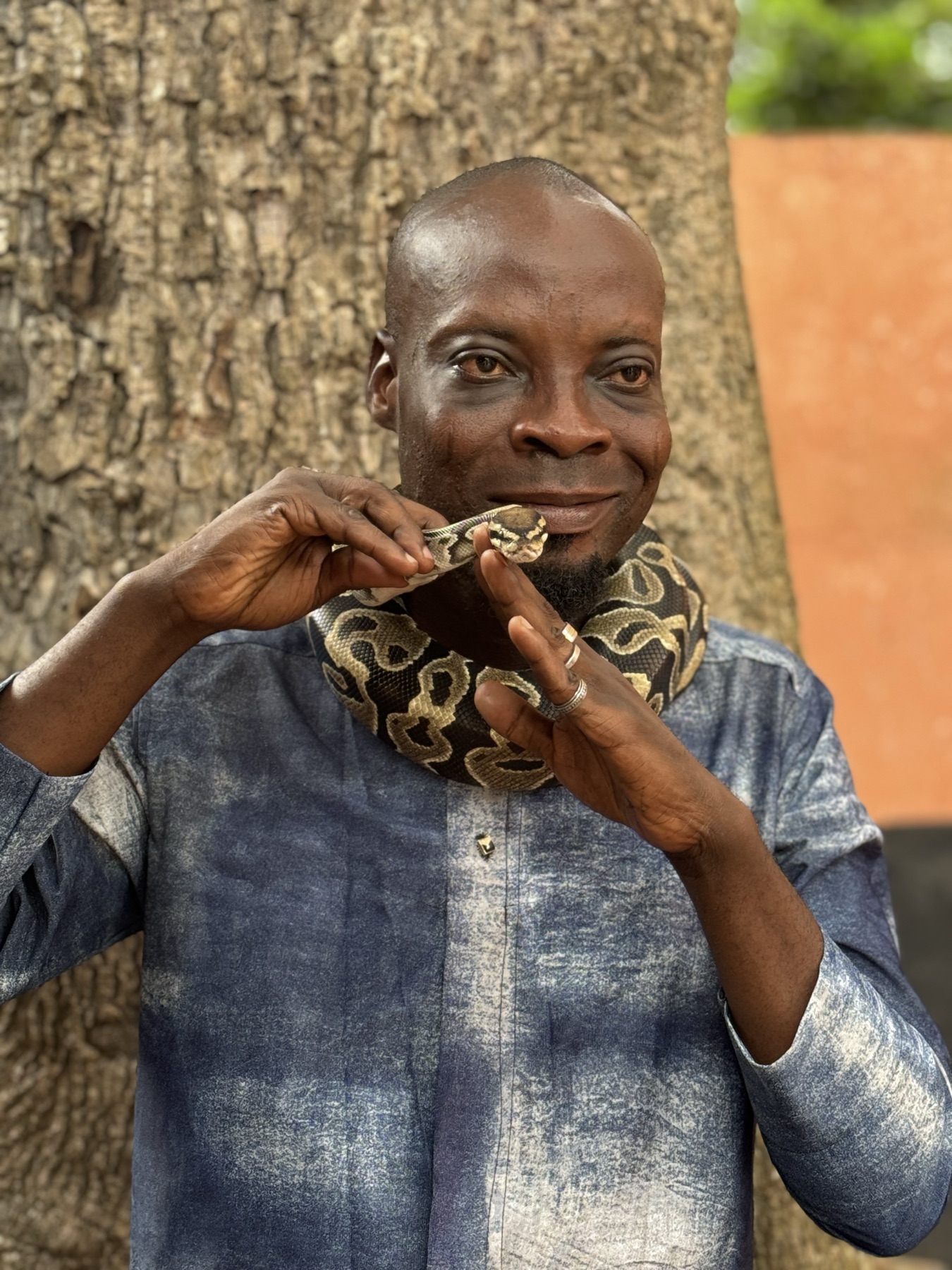
First village and first meeting with a chief and priest of the Gamballa vodun, with his adepts, at the village shrine. We attend a purification ceremony and use it to learn the pace of a ritual and to plan our shots for the days ahead.
In the afternoon, in the forest, an important Kulio sacrifice ritual, which we photograph alongside the priest and his adepts.
Night in Ouidah, MGH Hotel or similar · Half board
The Gou vodun and the Gelede dance
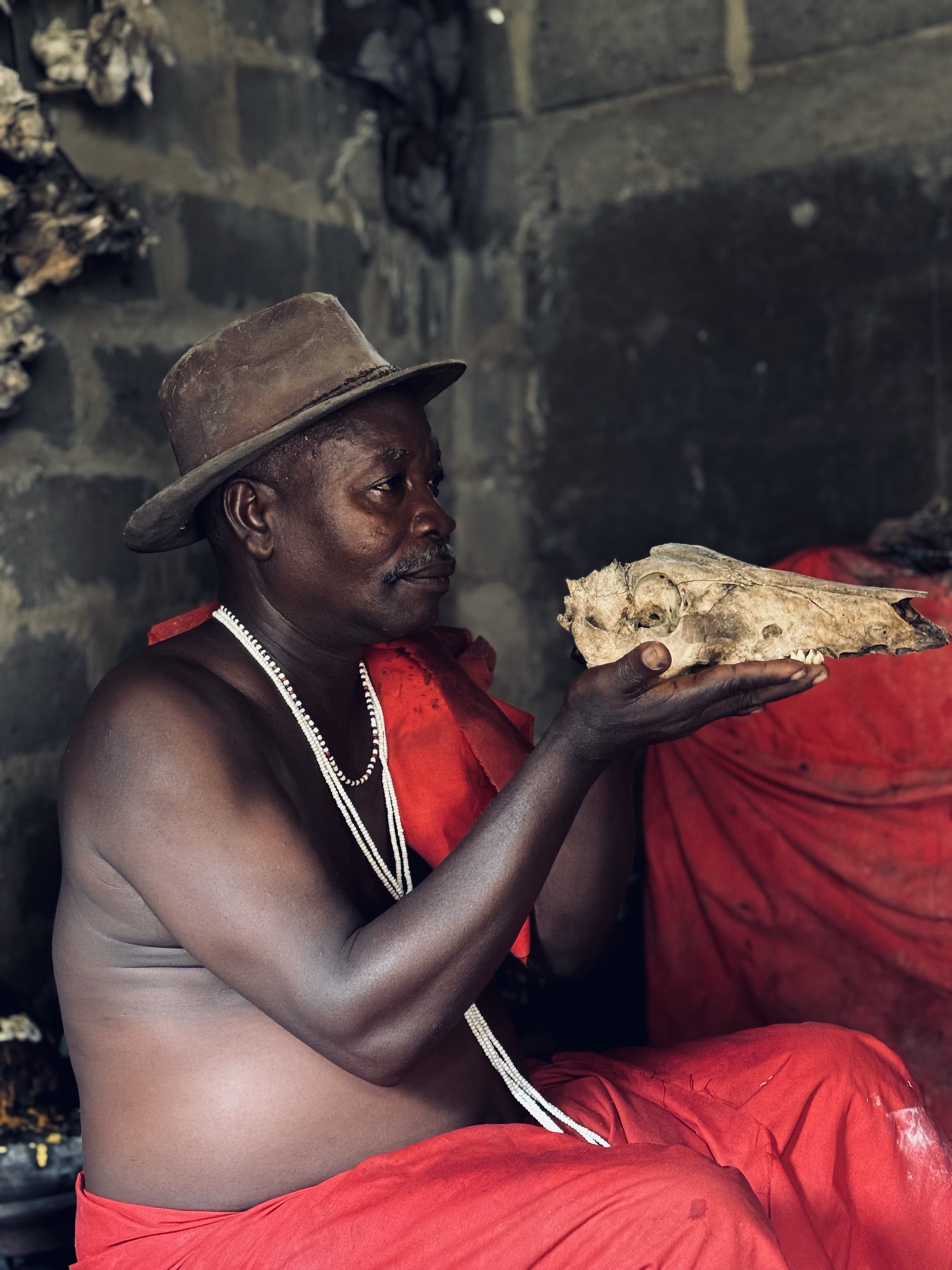
We meet the priest of the Gou vodun, his adepts and his priestesses, for a complex ceremony that moves between several spaces, open and covered, with little room and a lot of action. A real test of anticipating images and reacting fast.
In the afternoon, in the village of Gapke, a complete Gelede dance, very rarely seen, with the “crown of fire”. We photograph the masked dancers and the priests in different settings. A long day, and one of the most intense.
Night in Ouidah, MGH Hotel or similar · Half board
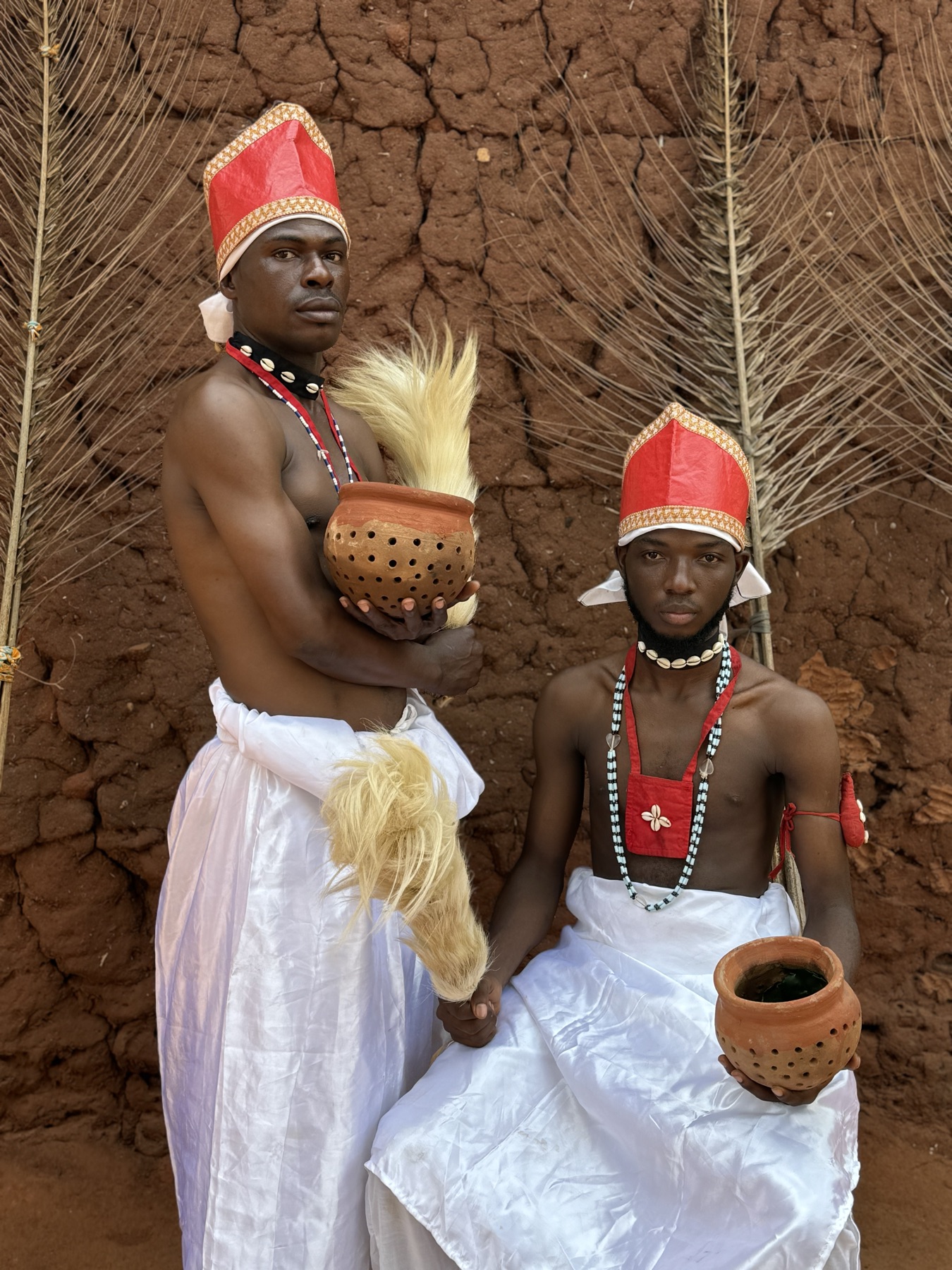
Dada Langan and the Sakpata vodun
In the morning, with the Dada Langan, a simple ceremony that leaves time for environmental portraits: priests, adepts and the people of the temple compound, in a collaborative and respectful way.
In the afternoon, deep in the sacred forest, a ceremony of the Sakpata vodun, with its sacrifices and its dance. A day focused on the ritual and on the people who live it.
Night in Ouidah, MGH Hotel or similar · Half board
The lakeside forest and the Egungun
To the forest along the lake, a place of white vodun. A Danmagon priest welcomes us at one of the most impressive shrines in Benin, almost never open to visitors. We work closely with him during the ceremony.
Later, an Egungun dance, the coming out of the spirits of the ancestors, with all its movement, its noise and its challenges for the photographer.
Night in Ouidah, MGH Hotel or similar · Half board
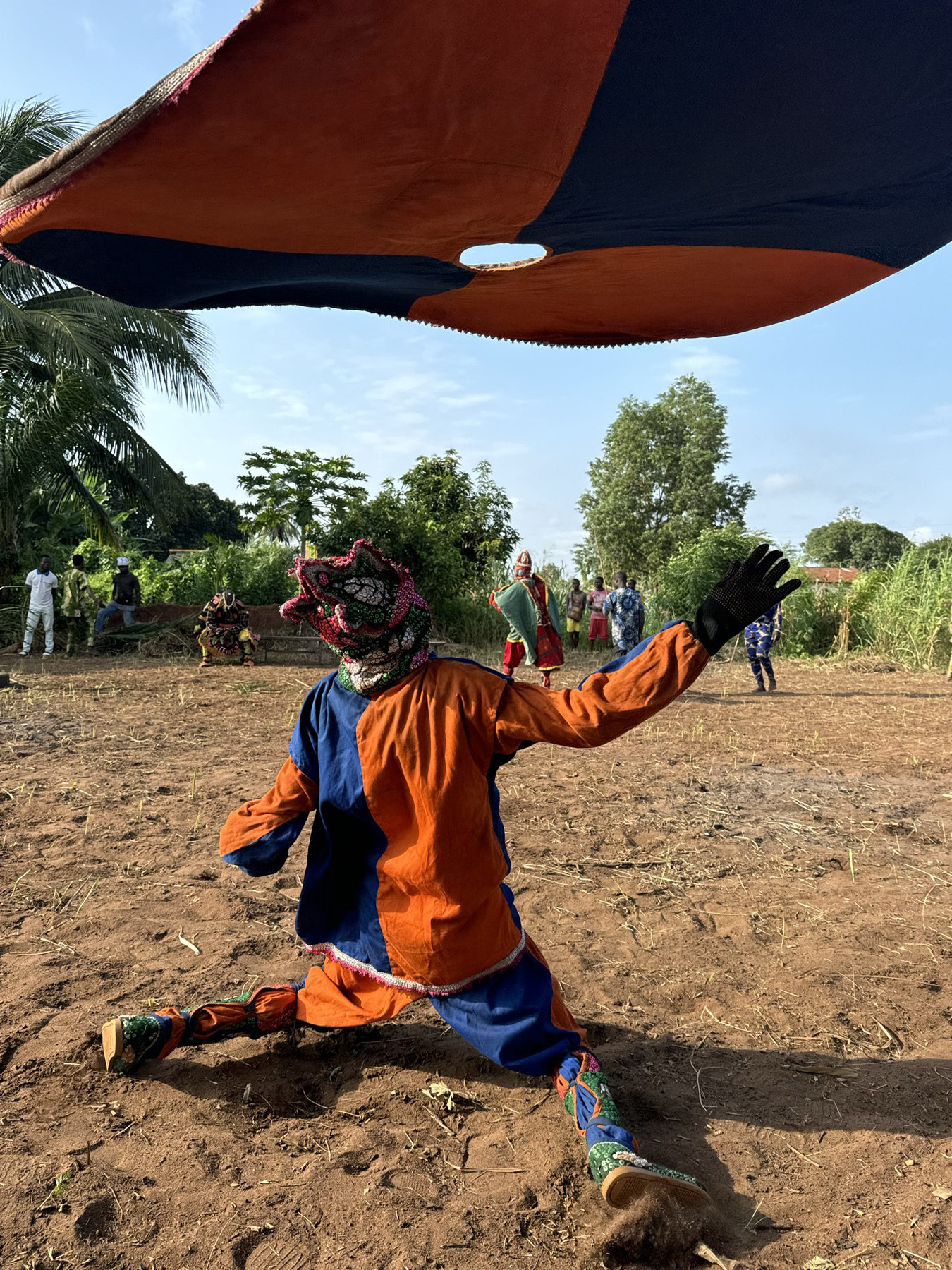
Kinninsi, Kokou and Hêviosso
The journey to the adepts of the Kinninsi vodun, a very private society, is an experience in itself. We work with its priests and adepts to build strong portraits.
The heart of the day is the Kokou ceremony, one of the most complex and chaotic in vodun, sometimes gathering more than a hundred people: possession, knives, colour, dance and sacrifices. If the thunder god allows it, we then enter a Hêviosso temple in the village of Agatogo, normally closed to visitors.
Night in Ouidah, MGH Hotel or similar · Half board
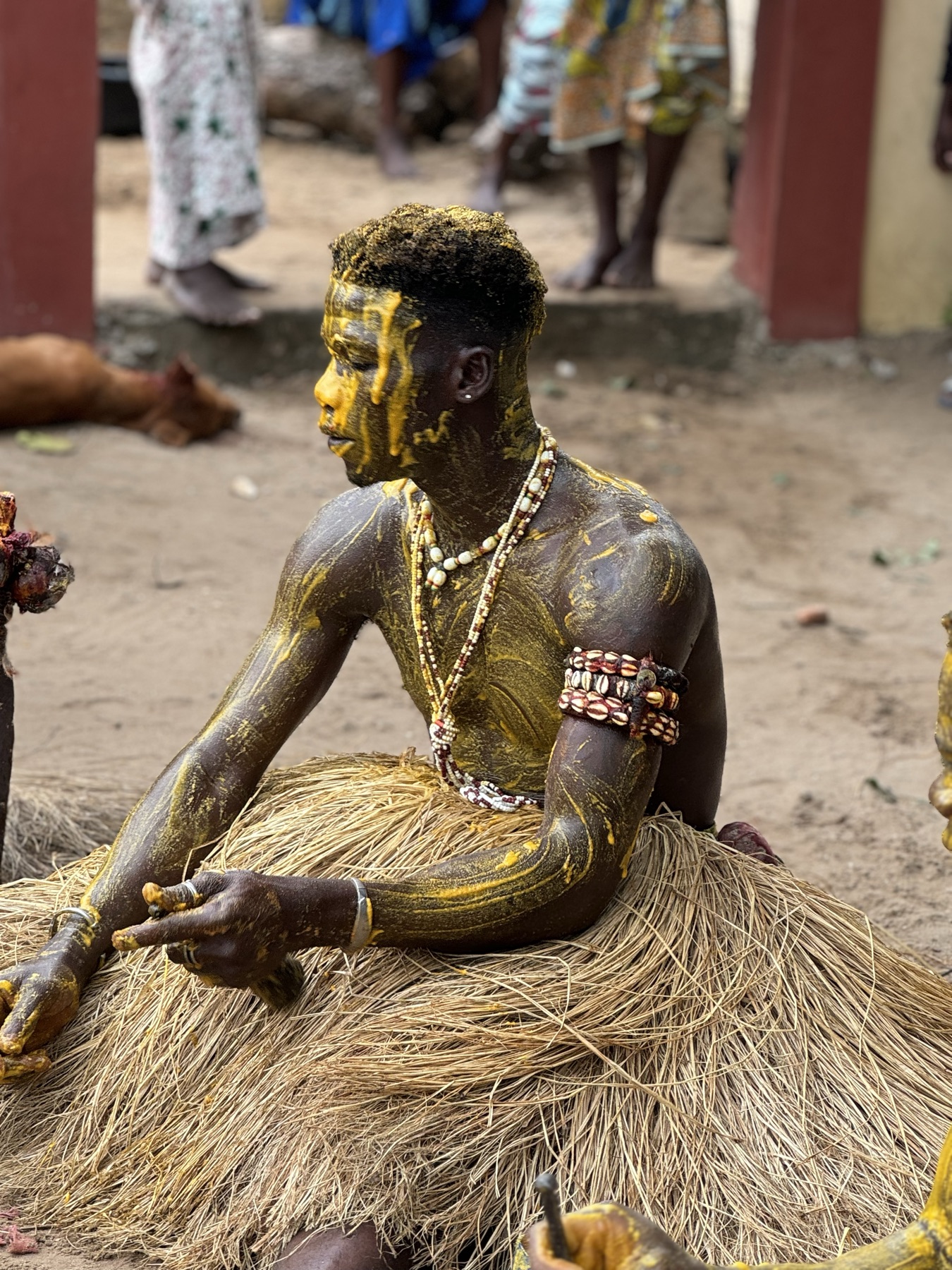
The Zangbeto by the lake
A special day on the shores of Lake Ahémé, in the village of Segboué: the ceremony of the Zangbeto, the guardians of the night, and their famous masked performance. Be ready, because the time to photograph the masks is a few minutes, no more. The rest of the day is about the people for whom vodun is a source of comfort and hope, with environmental portraits.
With the permission of the spirits and the support of the priest, we also have the rare opportunity to photograph four or five dancing masks, with your own lighting if you work with strobes.
Night in Ouidah, MGH Hotel or similar · Half board
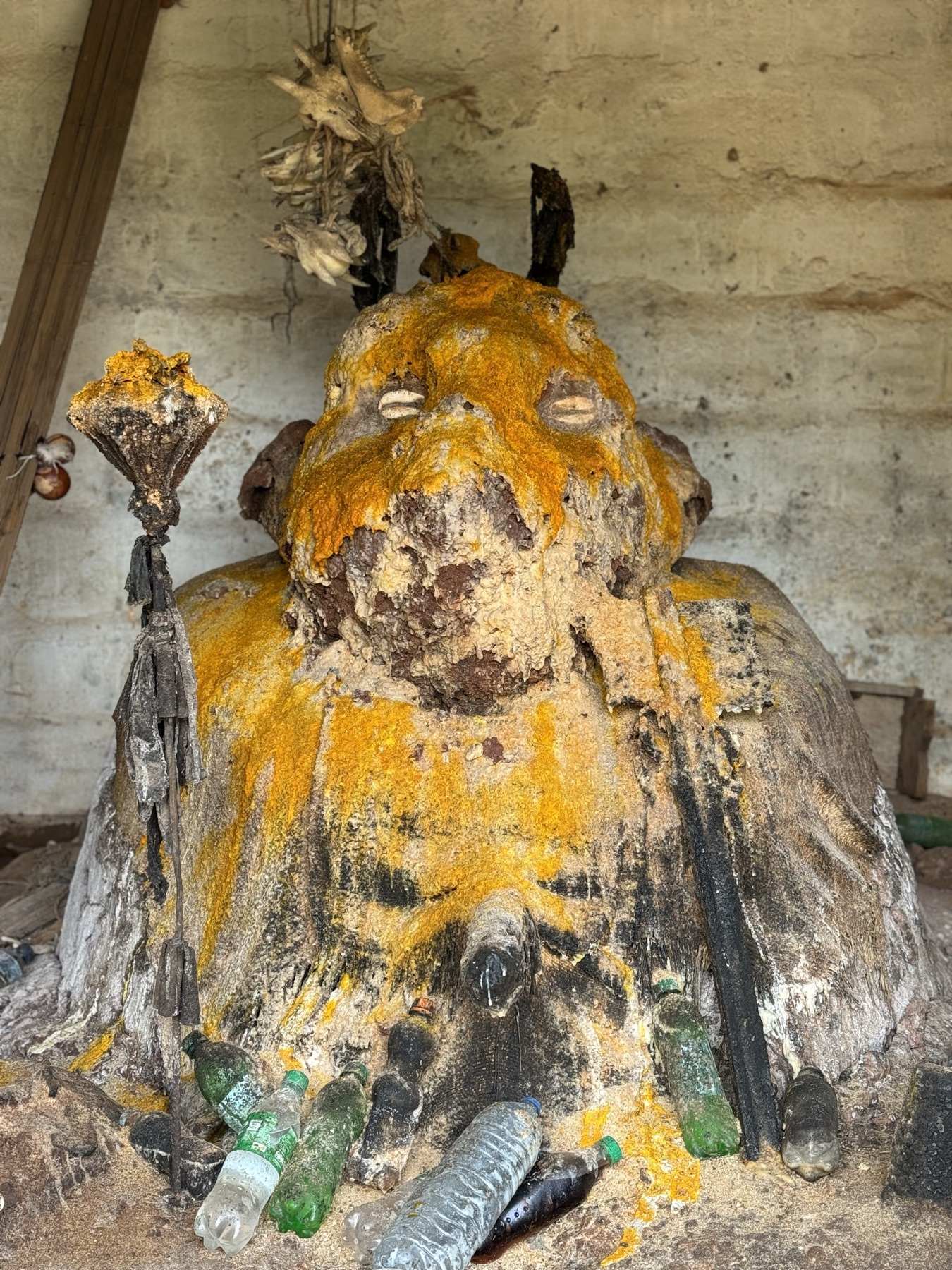
Buffer day
A day designed to make the most of the bonds formed with the communities. In 2024 it took us to the village of Adjatokpa, where a healer-priest welcomed us at his shrine. During the programme, invitations often come up that let us go further than planned: returning to a village, following a story, photographing it differently. It can also be a day to rest by the pool or on the beach. Depending on how the trip unfolds, we place it in the middle or at the end of the programme.
End of our services
The 2024 edition in pictures
A few photographs from our last edition, in July and August 2024.
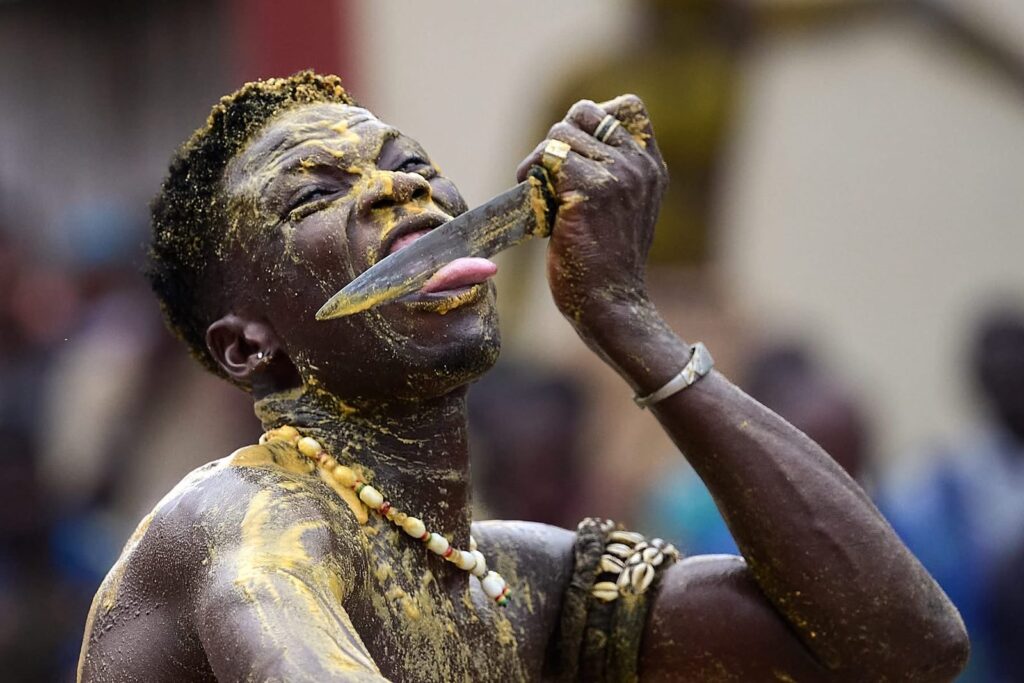
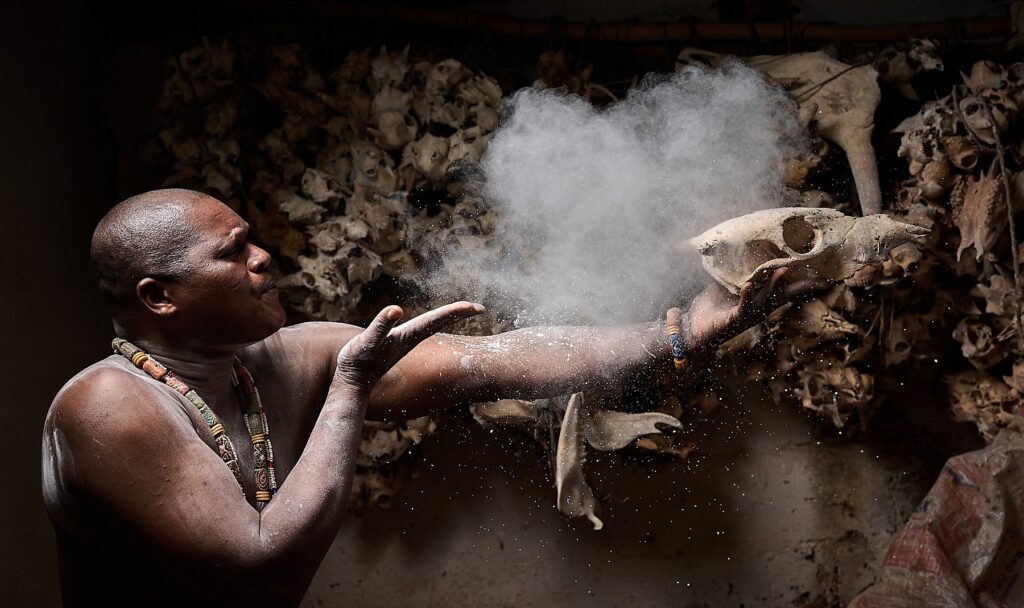

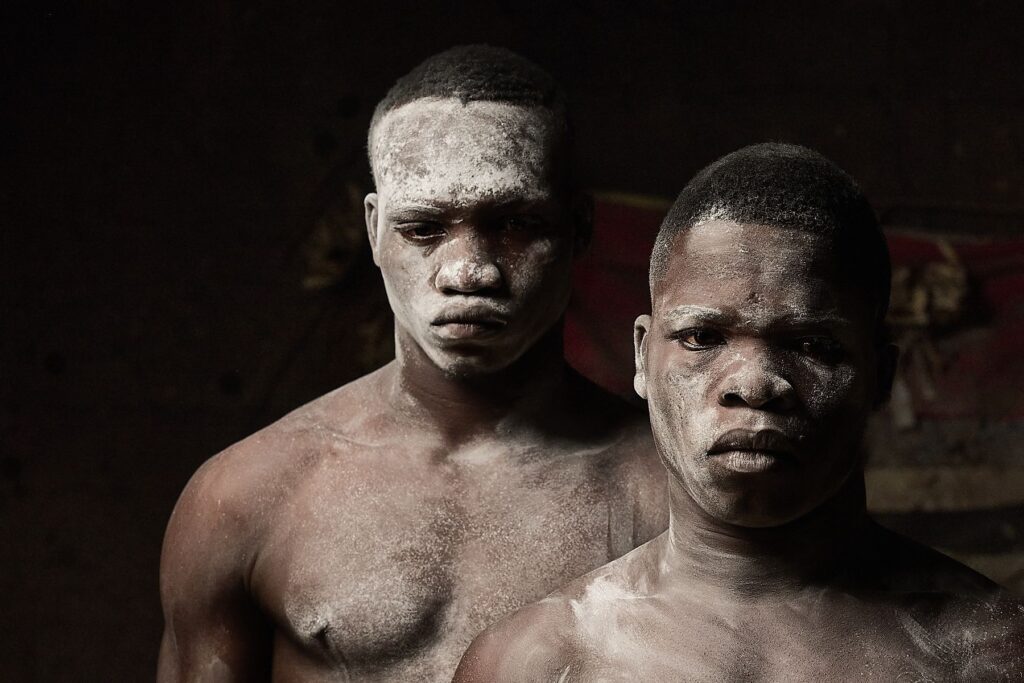
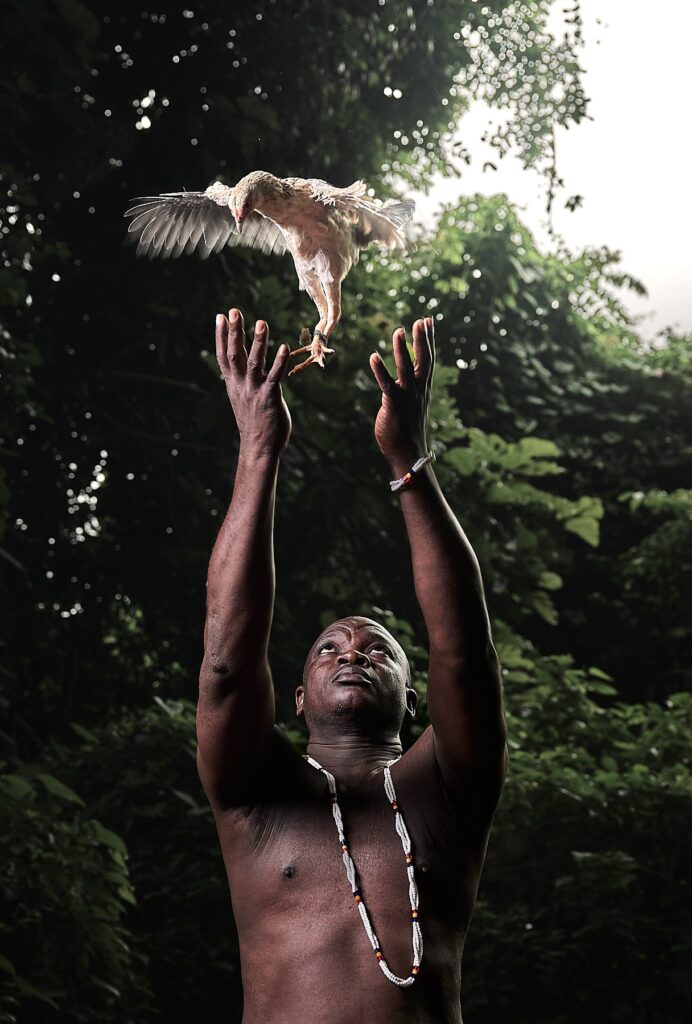
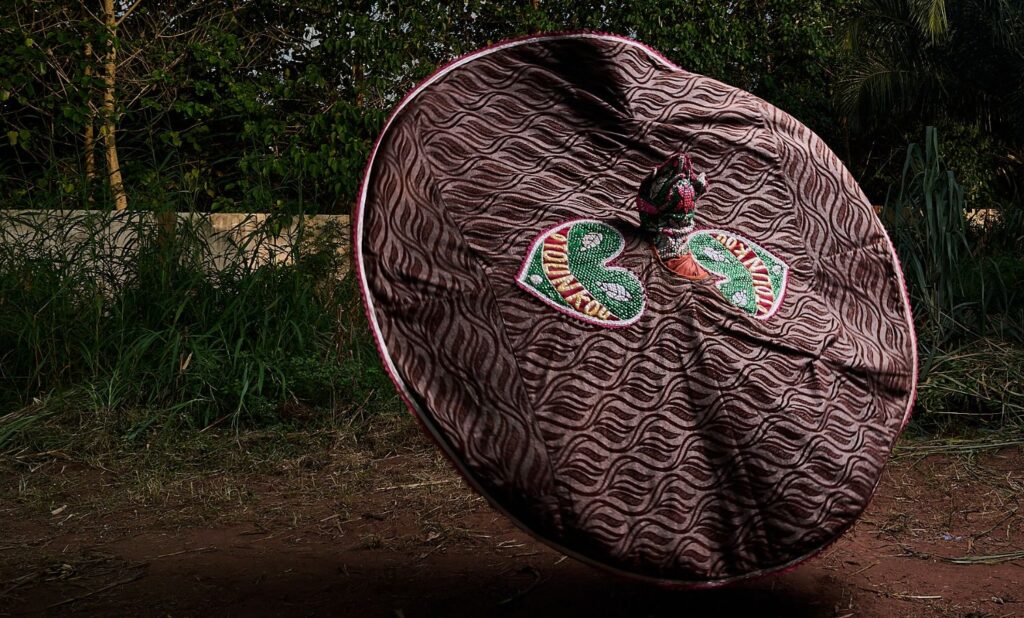

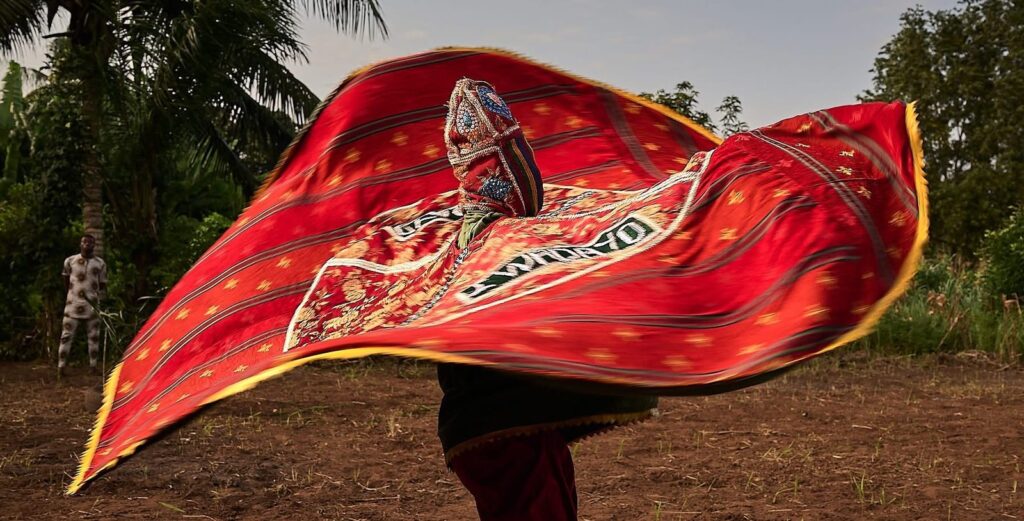
One of the 2024 participants, photographer Aga Szydlik, published her series from this journey in Dodho (Colors 2024) and in Lens Magazine (February 2025 and June 2026). See her series.
What’s included
- The whole programme by 4×4 or minivan with driver, fuel and tolls, including Cotonou airport transfers
- Accommodation in Ouidah, MGH Hotel or similar, in a double room
- Half board: breakfasts and dinners
- The vodun ceremonies and dances in the programme, with the protocol and offerings to the priests and communities
- Guide throughout the programme, with guide and driver accommodation and allowances
- Taxes
Not included
- International flights
- Benin visa and yellow fever vaccination, compulsory
- Travel and repatriation insurance
- Photographic equipment: cameras, lenses, lighting, batteries, tripods and memory cards
- Lunches and drinks
- Tips and personal expenses
Accommodation
| Stop | Hotel, or similar | Nights |
|---|---|---|
| Ouidah | MGH Hotel | Whole programme |
Good to know
Real ceremonies. They are not shows: some include animal sacrifices, moments of possession and intense scenes. This programme is not suitable for people who are sensitive to them.
Permission, always. The priests decide what is photographed, when and for how long. Some places and some masks can only be photographed for a few minutes, or not at all. Masks are never touched.
A living programme. The order of the days may change according to the priests, the villages and events in each community. The buffer day is there for that too.
Your equipment. Bring your own gear, including lighting if you work with strobes, and protection against heat, humidity and dust.